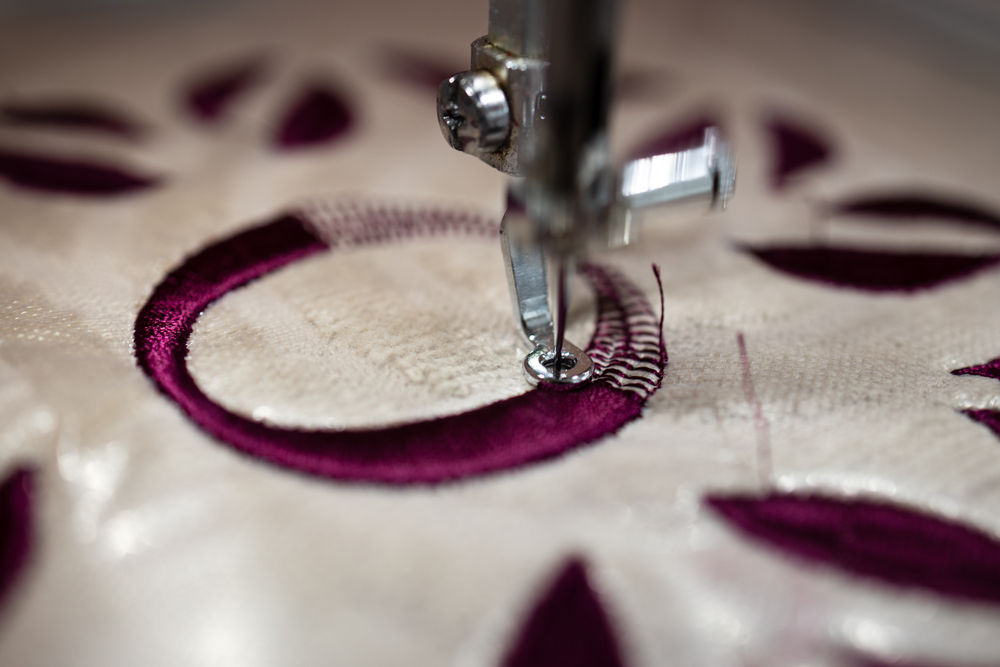
Since 1990, Australian Leading Embroidery Service. Delivery Available Australia-Wide.

Consider Workwear Embroidery

Workwear Embroidery

Benefits of Workwear Embroidery

Professional Appearance

Workwear embroidery provides a polished and professional look to employees. It conveys a sense of unity and belonging within the organization.

Brand Visibility

Customized workwear serves as a walking billboard for the company. It increases brand visibility and helps in establishing a recognizable corporate identity.

Durability

Embroidery is a durable form of customization. Unlike printed logos, which can fade or peel over time, embroidered designs withstand repeated washing and wear.

Customization Options

Workwear embroidery offers a wide range of colour and design options. This allows for precise replication of logos and allows businesses to choose branding elements that align with their visual identity.

Employee Identification

In industries where safety and security are paramount, personalized workwear helps in identifying employees at a glance. This is particularly important in large or busy workplaces.


Industries Utilizing Workwear Embroidery

Workwear embroidery finds applications in various industries, including but not limited to:

Healthcare:

Scrubs, lab coats, and uniforms for medical professionals often feature embroidered logos or names.

Hospitality:

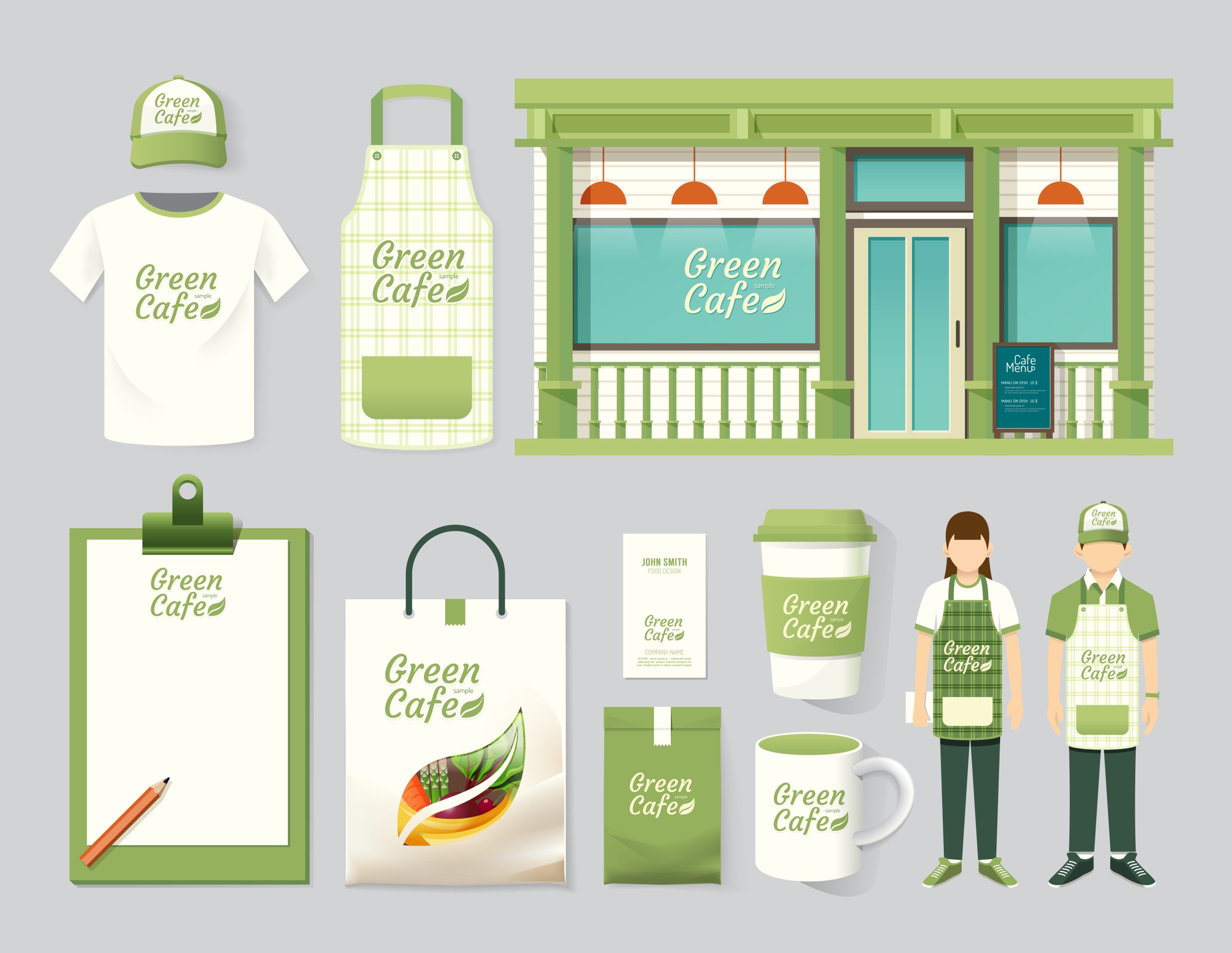
Restaurants, hotels, and catering businesses frequently use custom embroidered aprons, uniforms, and hats.

Construction and Trades:

High-visibility vests, coveralls, and other safety gear are often embroidered for easy identification.

Corporate and Office Settings:

Many businesses opt for embroidered dress shirts, polos, or jackets for a professional, branded look.

Automotive:

Mechanics and automotive professionals often wear embroidered workwear to promote their business and enhance their professional image.


Workwear Embroidery

Workwear embroidery is a practical and effective means of customizing garments for professional and industrial settings. It offers a range of benefits, including durability, brand visibility, and employee identification. By choosing the right design, material, and customization options, businesses can leverage workwear embroidery to enhance their corporate identity and present a cohesive, professional image to clients and customers alike.
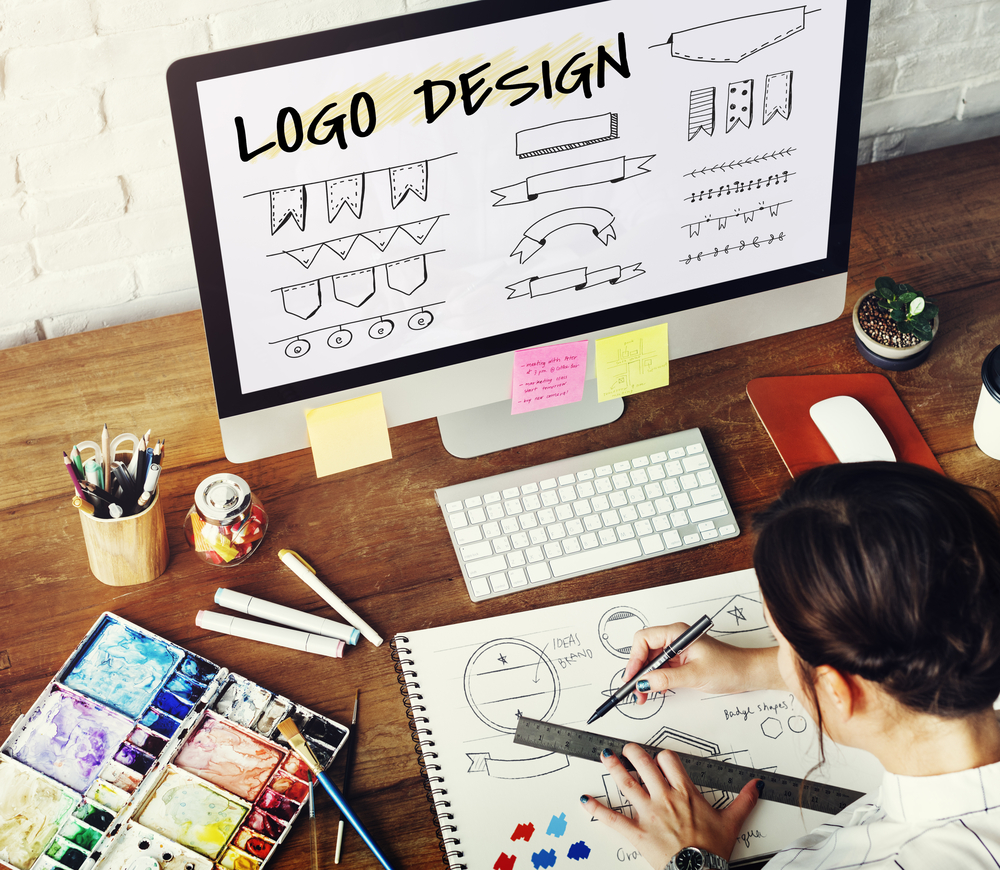

 

Designing Company Logos for Workwear Embroidery

Workwear Embroidery

Designing a Company Logo for Uniforms and Workwear Embroidery

A company logo is a visual representation of a brand, conveying its identity and values. When designing a logo for embroidery on uniforms, it’s essential to consider factors like simplicity, scalability, and suitability for the embroidery process. Here are the key steps to design an effective logo for this purpose:


  1. Understand the Brand and Its Values

Before starting the design process, it’s crucial to have a solid understanding of the company’s brand, mission, and values. This knowledge will guide the design choices and ensure the logo accurately represents the brand.

  1. Keep it Simple

Simplicity is paramount when designing a logo for embroidery. There is an art to conveying a lot with minimal words and shapes. Avoid intricate details or tiny text that may not translate well in embroidery. Complex designs can result in a cluttered and unclear logo on the uniform. The company initials on a geometric shape can often work effectively.

  1. Choose Suitable Colours

Consider a limited colour palette that complements the brand’s identity. Consider that the logo will be embroidered, so choose colours that contrast well and are easily distinguishable.

  1. Consider Scalability

A logo should look good at various sizes. Ensure that the design retains its clarity and recognizability when scaled down for embroidery on smaller uniform spaces, such as collars or caps.

  1. Select Appropriate Fonts (if applicable)

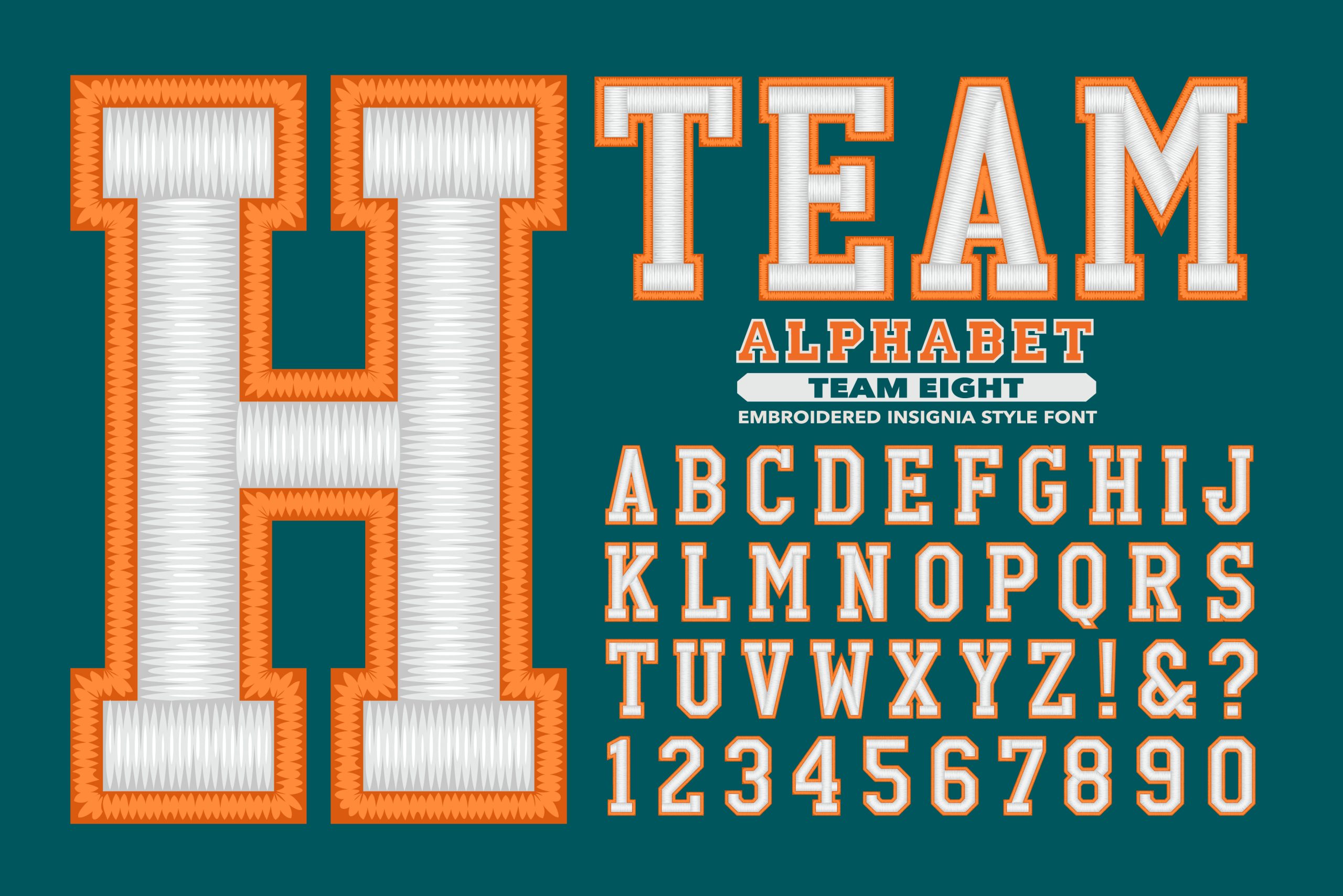
If the logo includes text, choose a clean, legible font. Avoid overly decorative or intricate fonts that might not translate well to embroidery.

  1. Design in Vector Format

Create the logo in a vector format using software like Adobe Illustrator or CorelDRAW. Vector graphics can be resized without loss of quality, ensuring the logo maintains its integrity during the embroidery process.

  1. Test Monochrome Versions

Test the logo in black and white to ensure it remains recognizable and impactful without colour. This step is crucial for situations where colour may not be an option, such as single-color embroidery.

  1. Avoid Gradients and Complex Shadows

Gradients and complex shadows can be challenging to replicate in embroidery. Stick to solid colours and clean lines for a clear and effective design.

  1. Pay Attention to Negative Space

Consider the negative space around and within the logo. It should be well-balanced and not overcrowded, allowing the design to breathe.

  1. Test Embroidery Prototypes

Before finalizing the design, create a few prototypes for testing. This step will help identify any potential issues with the design’s translation to embroidery, such as small details that may not be visible or legible.

11. Seek Professional Guidance (Optional)

If you’re unsure about any aspect of the design process, consider consulting a professional graphic designer with experience in logo design for embroidery.


Designs for Workwear Embroidery

Designing a logo for embroidery on uniforms requires a thoughtful approach that balances creativity with practicality. By focusing on simplicity, scalability, and suitability for the embroidery process, you can create a logo that effectively represents the company’s brand on uniforms. Remember to test prototypes and seek professional advice if needed to ensure the final logo meets all requirements.


The Right Fabric for Workwear Embroidery

Rainbow Embroidery Sydney

Choosing the Right Fabric and Garment for Workwear Embroidery

Selecting the appropriate fabric and garment for workwear embroidery is a critical step in ensuring the longevity and quality of the embroidered design. The choice of materials are a huge part of the final result, affecting factors such as stitch precision, durability, and overall appearance. Some important considerations include:


Fabric Type:

Cotton: Cotton is a popular choice for workwear due to its breathability and comfort. It’s suitable for a wide range of industries and work environments. However, keep in mind that 100% cotton may wrinkle more easily than blends.

Polyester Blends: Polyester blends offer durability, resistance to wrinkling, and colour-fastness. They are suitable for industries where workwear might be subject to more wear and tear.

Performance Fabrics: High-performance fabrics, often a blend of synthetic materials, are designed for specific industries like healthcare or outdoor work. They offer features like moisture-wicking, flame resistance, or high visibility.


Weave and Texture:

Smooth Weaves: Fabrics with a smooth surface, like poplin or twill, are generally easier to embroider as the needle can pass through the material more smoothly.

Avoid Heavy Textures: Fabrics with heavy textures or weaves can be challenging for embroidery, as the needle may struggle to navigate the fibers.


Weight of the Fabric:

Lightweight: Light fabrics like poplin are suitable for industries where breathability and flexibility are essential, such as hospitality or retail.

Medium Weight: Fabrics like twill are versatile and can be used in a wide range of industries, providing a good balance between durability and comfort.

Heavyweight: Heavy fabrics are often used in industries like construction or manufacturing, where durability and protection are top priorities.


Colour Considerations:

Dark vs. Light Colours: Light-coloured fabrics tend to showcase embroidery more prominently. Dark colours may require a stabilizer or backing to ensure the design remains crisp and legible.

Contrast: Consider how the thread colour will contrast with the fabric. A high-contrast combination will make the design stand out more.


Specialized Features:

Flame Resistance: In industries where fire hazards are a concern, choose flame-resistant fabrics that meet relevant safety standards.

High Visibility: Industries like construction or roadwork may require fabrics with high-visibility properties, often with reflective elements. Often this is a Hi-viz vest that fits over the clothing. This may be embroidered.


Garment Style and Fit:

Consider the Function: The type of work being done should inform the style of garment chosen. For example, a button-up shirt might be more appropriate for an office setting, while coveralls are better suited for heavy-duty work.

Ease of Embroidery: Garments with easy access to a flat surface (like a chest or back) are typically simpler to embroider than those with irregular surfaces or seams. A sleave or pocket is usually a good option.

Careful consideration of fabric type, weave, weight, colour, and garment style is crucial in achieving successful and long-lasting workwear embroidery. By selecting materials that align with the specific needs and demands of the work environment, businesses can ensure that their embroidered workwear maintains a professional appearance while withstanding the rigors of the job.


Advantages of Embroidery

Rainbow Embroidery Sydney

Embroidery Sydney

Embroidery is a versatile and time-honoured technique used to decorate fabric and textiles with intricate designs using thread. While other methods of decoration exist, embroidery holds several advantages that make it a preferred choice for many applications.

Durability and Longevity:

Embroidery produces designs that are robust and long-lasting. The thread used in embroidery is typically high-quality, ensuring that the design can withstand regular wear and washing without fading or deteriorating.

Professional and High-Quality Appearance:

Embroidery offers a premium and upscale look. The three-dimensional texture created by the thread adds depth and richness to the design, giving it a polished and professional appearance.

Versatility and Customization:

Embroidery allows for a wide range of customization options. It can be applied to a variety of fabrics, including cotton, denim, fleece, and more. Additionally, embroidery machines can accommodate intricate designs and a multitude of thread colours, allowing for a high level of personalization.

Variety of Stitch Styles:

Embroidery offers a diverse range of stitch styles, each providing a different texture and visual effect. This flexibility allows for a wide array of design possibilities, from intricate patterns to bold lettering.

Multicolour Designs:

Embroidery machines can handle multiple colours of thread in a single design. This capability allows for intricate and colourful designs that can be difficult to achieve with other methods.

Branding and Professionalism:

For businesses and organizations, embroidered logos and designs on uniforms or merchandise convey a sense of professionalism and brand identity. This makes embroidery a popular choice for corporate apparel, team uniforms, and promotional items.

Resistance to Wear and Tear:

Embroidery withstands the test of time and maintains its appearance even after extended use. This is particularly important for items that will see frequent wear, such as work uniforms or sports apparel.

Subtle and Elegant Designs:

Embroidery can achieve subtle and delicate designs that may not be achievable through other decoration methods. This makes it suitable for items where a refined touch is desired.

Customization of Apparel:

Individuals often choose embroidery to personalize clothing items, such as monogramming initials on shirts or adding designs to jackets. This allows for unique, one-of-a-kind pieces.

Cultural and Artistic Significance:

Embroidery is an art form with deep cultural roots in many societies. It carries a sense of tradition and craftsmanship, often reflecting the cultural heritage of a community or region.

Embroidery Sydney

Embroidery’s durability, professional appearance, customization options, and cultural significance make it a preferred method for embellishing fabric and textiles. Its versatility and ability to produce high-quality designs make it a valuable choice for a wide range of applications, from corporate branding to personalization of everyday items.

About Workwear Embroidery

Workwear Embroidery

Workwear Embroidery: Enhancing Professional Identity and Branding

Workwear embroidery is a practical and visually appealing way to personalize uniforms and clothing worn by employees in various industries. This process involves stitching a design, logo, or text onto work garments using specialized embroidery machines. Workwear embroidery serves multiple purposes, ranging from creating a professional appearance to reinforcing brand identity.

The Process of Workwear Embroidery:

Design Selection: The first step in workwear embroidery is selecting the design, logo, or text that needs to be embroidered. This can range from company logos to employee names or job titles.

Digitization: Once the design is finalized, it needs to be converted into a digital format compatible with embroidery machines. This process is called digitization, where the design is translated into a series of stitches and patterns.

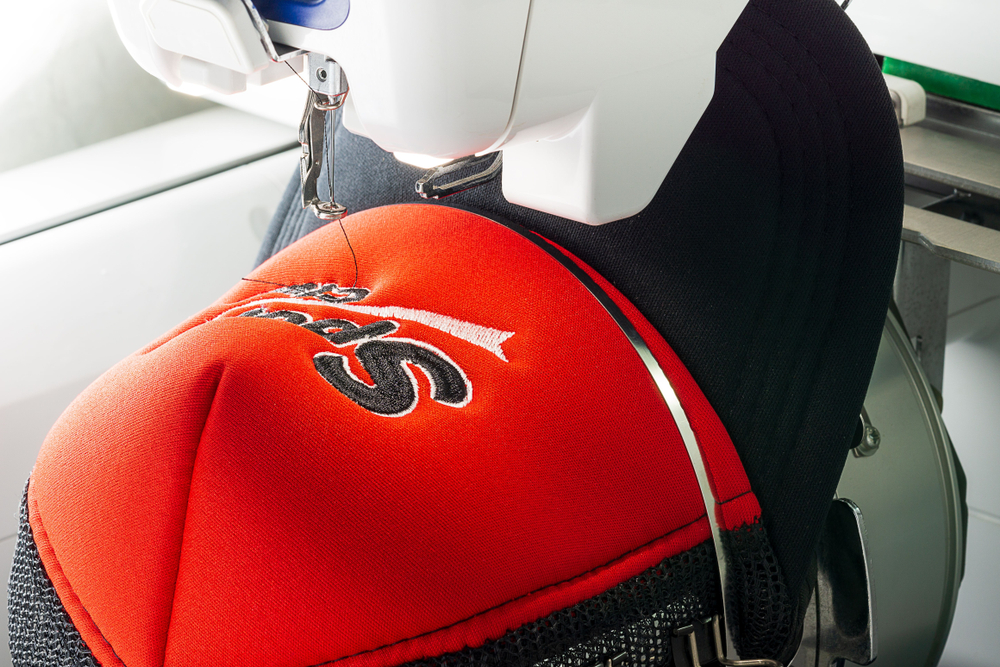
Machine Setup: The selected work garments, such as uniforms, polo shirts, jackets, or hats, are placed onto the embroidery machine’s hoop or frame. The machine is then programmed with the digitized design.

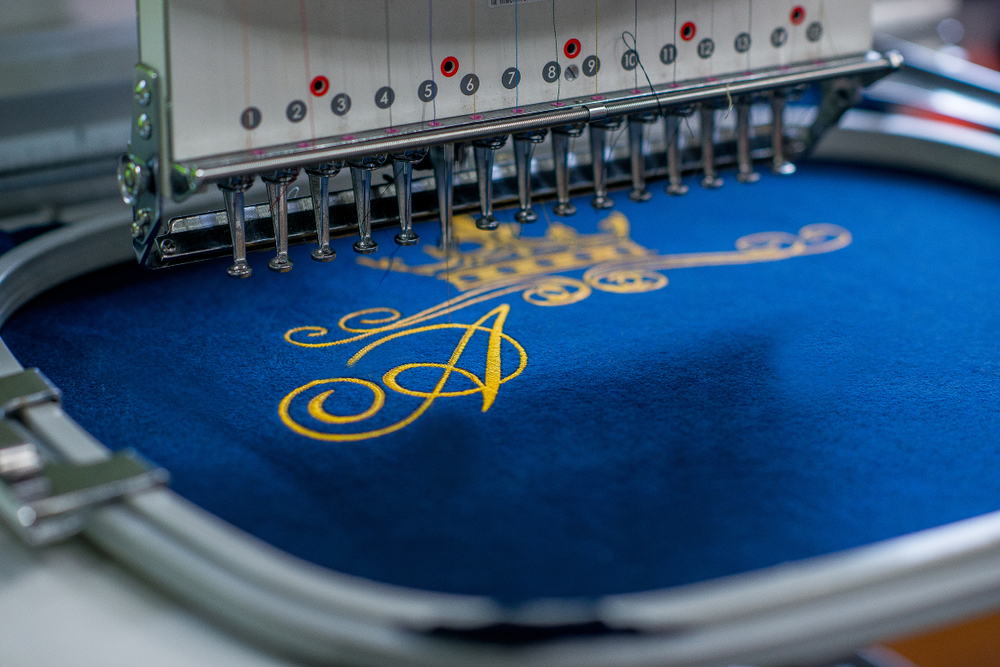
Embroidery Process: The machine uses needles and threads to stitch the design onto the fabric. The number of stitches, thread colours, and the density of the embroidery are controlled by the machine’s settings and the digitized design.

Quality Control: Once the embroidery is complete, the workwear is inspected for quality. Loose threads, uneven stitching, and any defects are addressed before the garments are finalized.

Finished Product: The finished embroidered workwear is ready for use. It adds a professional and cohesive look to the team’s attire while also promoting the company’s branding.

Benefits of Workwear Embroidery:

Professional Appearance: Embroidered workwear creates a uniform and polished look among employees, fostering a professional image that reflects positively on the company.

Brand Identity: Customized embroidery with company logos and branding reinforces brand recognition and awareness. It serves as a walking advertisement for the business.

Employee Identification: Embroidered names, job titles, or department information on workwear help colleagues and customers identify employees easily.

Durability: Embroidery is a durable form of decoration that withstands washing, ironing, and everyday wear, ensuring that the branding remains intact over time.

Variety of Garments: Embroidery can be applied to a wide range of work garments, including shirts, pants, jackets, aprons, hats, and more.

Sense of Unity: Wearing customized embroidered workwear fosters a sense of unity and belonging among employees, creating a stronger team dynamic.

Client Impressions: For customer-facing roles, employees in embroidered workwear can make a positive impression on clients and customers by appearing well-presented and professional.

Considerations for Workwear Embroidery:

Design Complexity: Highly detailed designs may require careful consideration of embroidery size and stitch count for optimal results.

Garment Selection: The type of fabric and garment construction can influence the quality of embroidery. Some fabrics may need special backing to prevent distortion during stitching.

Colour Matching: Accurate colour matching between the embroidery thread and the company’s branding is important for consistency.

Placement: The placement of embroidery on garments should be strategically chosen to maximize visibility and maintain comfort.

Rainbow Workwear embroidery is a versatile and effective way to enhance the appearance of employees while reinforcing a company’s brand identity. With the right design, digitization, and execution, workwear embroidery adds professionalism, unity, and a distinctive touch to workplaces across industries.

Workwear Embroidery Guide

Workwear Embroidery

Workwear Considerations.

Staff uniforms are only one aspect of running a business. But any one aspect of a business can make or break a company. So, we need to put some thought into what works well for the company that we run.

The right workwear can make your staff look and feel professional, and hopefully comfortable. In some cases, like construction work, the uniform must also include safety features, like high visibility colours. But mostly we want the uniform to look right for the type of company that we have – formal for a prestige service, perhaps bright and happy for entertainment.

There is always a budget consideration for uniforms. This has a few levels. There is the initial cost of the uniform. And there is the expected lifespan; will we have to pay for a replacement every two years. Furthermore, there is the laundry cost; dry clean items will cost a lot to maintain. Lastly, will you need several uniforms for each employee, or perhaps several shirts and a single hat.

Workwear Embroidery Guide

Almost any garment can be made into a uniform with embroidery. Workwear embroidery Sydney can be applied to hats, collared shirts, polo shirts, denim, leather, jackets, overalls, or any apparel. In some cases, like restaurant staff, it is applied to handtowels and linen carried by the staff.

Machine workwear embroidery is almost universal today. It is far too time consuming to use hand embroidery. But machine workwear embroidery can be automated and applied consistently across a variety of mediums. This gives pristine results with company emblems or monographs embroidered with immaculate results.

Workwear embroidery is superior to iron-on logos or any other mean of putting text/images on clothing. Embroidery is largely fade resistant, and will last as long as the clothing. It cannot provide superfine detail, but it is more than sufficient for even the most intricate company logo.

Rainbow Embroidery provide a full service, including machine workwear embroidery. This give consistent, high quality results for a huge range of company unforms, or for other company apparel, including linen, bags, or promotional items.


Workwear Embroidery

Rainbow embroidery has computer controlled embroidery systems, idea for bulk orders including sports and company uniforms.


Design Uniform and Workwear Embroidery

Workwear Embroidery

A uniform is so much a part of any industry or sporting attire. They offer many benefits, giving staff a sense of solidarity when wearing the ‘team colours’ and customers the right impression of professional operation. They also provide additional advertising whenever staff wear the uniform. The trick is to get the right uniform for your industry and your company.


Uniform Colours:

Colour has a huge psychological effect. It is something we usually take for granted; but we sense there is something amiss when the colours are wrong. If we get the right colour for a uniform it will make sense, and nobody will question it.

White – Clean and simple, often clinical. This is right for medical practices, and any industry that wants to give an image of being a no-nonsense, straight-to-business operation. We can pair white with other colours to reduce the monotony. A lab coat for a company is often enough to give the right professional look you need.

Yellow – This has a cheerful, creative look. But it is easy to overdo this. Perhaps it is better to use this for highlights rather than a main colour. Yellow (along with bright orange) is also a high-visibility colour, essential for some safety situations.

Green – Looks natural, calm and confident. This can work well for services like delivery companies, catering, hospitality, etc. It is one colour that can be used for an entire uniform.

Blue – Is a popular choice for uniforms, especially in working trades. It gives an impression of honesty and reliability. There are plenty of tough, hard-wearing materials, like denim overalls, available in blue.

Black – This can be a little strong looking, almost unapproachable, but it works well for theatrical industries. People working in the background for concerts often wear black.

Pink – We associate this with care and compassion. It is an unthreatening colour. Some hospitality staff use pink uniforms.


We believe that workwear embroidery can turn almost any decent outfit into a professional uniform. A company logo on the left pocket is enough to make almost anything look professional. Logos and emblems also work on sleeves, or across the back of a shirt.

Workwear embroidery is long-lasting, far superior to transfers or other means of adding detail to a uniform. And when done in bulk with computer embroidery machines, the cost is minimal.


Workwear Embroidery

Have professional company or sports uniforms created with embroidery. Company logos on uniforms show you are a professional outfit.


Advantages of Work Uniforms

Workwear Embroidery

Uniform Workwear Embroidery

Many companies have some form of uniform or work clothing. These are seen as providing many advantages:

Professionalism – A uniform looks professional, which strongly reflects on the company.

Staff recognition – A uniform says: ‘I work here.’. No ambiguity.

Advertising – Uniforms work as advertising. This builds brand awareness. And it has an advantage over written or online advertising as the company is seen as active and real, not just a picture on a page.

Staff Solidarity – People tend to put on a professional attitude with the uniform. And they know to cooperate with others in the uniform, as they are part of the team.

No need for a Dress Code – We need to maintain standards at work including dress standards. If each individual has to figure this out for themselves, what is appropriate to wear, then we might be spending time making the right choice and making mistakes on occasion. With a uniform, the choice is made for us, with consistent, attractive results.

Reduces Segregation – The social status in the company is determined by position in the company and the uniform. The individual’s outside social status is less of an influence. Rich or poor, all wear the appropriate uniform.

No Fashion Changes – Fashions change faster than we realise. Most people feel at least some need to follow this. Anyone wearing a 1970s suit would be ridiculed. But a uniform remains constant, or all the company change uniform all at the same time.

Design and Durability – A uniform can be made of tough material for manual labour, or easy to clean aprons for professional chefs. The right choice for the particular type of job will last for years.

Safety and Functionality – Will manual labourers risk catching sleeves on sharp corners, or do the people outside need sun protection? Perhaps high visibility is needed, so we make the uniform bright orange. Make this part of the uniform and avoid a lot of trouble.

Tax Deduction – This is a work-related expense, so it is a tax deduction.

Company Workwear Embroidery

Embroidery can turn anything from a business shirt to a set of overalls into a uniform. We might like to have a complete uniform made this way, or perhaps a shirt with a company emblem on the shirt pocket works for your business.

Embroidery is perhaps the best option for uniforms. It lasts far longer than printing, and can be used on almost any decent material. The only other comparable option is sewn on badges, which are a form of embroidery too.

Embroidery works at an individual level as well as a company level. We can have each individual staff member’s name on the top pocket with embroidery. And we can give the managers and admin staff their own embroidered signifier of rank.


Workwear Embroidery

Uniform embroidery looks professional and is long lasting. Our computer embroidery systems mean consistent quality at a reasonable price.


Personal & Workwear Embroidery

Embroidery Sydney

Embroidery Sydney

Embroidery is a great way to add a design to any item of clothing or other material. And it has many advantages over other methods.


  • Embroidery can use any custom design.
  • It lasts as long as the clothing does.
  • It looks professional.
  • It is quite resistant to fading.
  • It will never come off in the wash.
  • It will not shrink
  • It has a moderate cost, at least in bulk numbers


Embroidery cannot do very fine detail, not finer than the thread that is used. And there might be an issue if the clothing shrinks and the embroidery doesn’t. But with good quality clothing this is never an issue. Embroidery on quality clothing is almost always the best choice.


Gift Ideas Embroidery Sydney

We can personalise almost anything with embroidery. This makes it great for personalized gifts.


  • Shirts, from business shirts to casual wear like polo shirts, can be embroidered. Over the front pocket or on the sleeve are good options.
  • Tablecloths look very formal when embroidered.
  • Napkins look impressive when embroidered.
  • A monogramed handkerchief.
  • Bath towels and dressing gowns.
  • Hats and any headwear can be embroidered.
  • Cloth bags
  • Jackets and blazers


Family coats of arms, mottos, monograms, or popular cartoon characters are all possibilities for embroidery.


Workwear Embroidery

Uniforms help a company look professional. Embroidery on a uniform can be very effective. Company logos and staff position can be embroidered. This is great for conveying the right image for clients and supporting staff morale.


  • Overalls can be embroidered. As these are frequently subjected to harsh conditions and repeated washing the embroidery will last longer than printing.
  • Company hats can be embroidered. This also works for promotional giveaways.
  • Embroider the pocket or sleeve of a business shirt.
  • Company accessories like tableware for catering services.
  • Sportswear cane be embroidered with the team colours.
  • Corporate gifts can be embroidered.


Modern computer-controlled technology allows are great deal of design flexibility. And it reduces the cost for bulk orders.


Embroidery Sydney

Rainbow embroidery uses computer embroidery systems for consistent high-quality results. Put your design on any item.

.

Print or Embroidery?

Workwear Embroidery

Workwear Embroidery

There are two main options for putting a design on clothing – Printing or embroidery. There are advantages and disadvantages to both methods.

Company uniforms and workwear might be given a company logo, or further designs such as the staff position (Assistant Manager, Driver …etc.). Uniforms with corporate logos and tittles like this give an air of professionalism. This looks good for customers and helps company solidarity.

Clothing Printing

Printing is the most common method used for mass produced clothing. It has always been relatively cheap when done in large quantities, and can achieve good results. With modern computer scanning technology it can be reasonably cheap even for small scale orders.

  • Printing on clothing is reasonably inexpensive.
  • Ideal for large designs.
  • Sharp images and edges. Fine for small designs.
  • Gradient colouring (fading tones, shading) are easy to achieve.

Disadvantages of Printing on Clothing

  • Less durable than embroidery.
  • Colours will fade over time and exposure to bright light.
  • Only works for flat surfaces.
  • Fine for some fabrics (cotton), but not for other fabrics (fleecy material).
  • Printing is not something we expect to see on professional uniforms.

Workwear Embroidery

  • Embroidery is durable, and lasts at least as long as the garment.
  • It looks professional
  • Reasonably wide choice of colours.
  • Can be done on pockets, sleeves, caps and other non-flat surfaces.
  • Works on almost any type of material

Disadvantages Workwear Embroidery

  • Embroidery is expensive, though it gets cheaper with large orders.
  • Cannot reproduce fine details or intricate designs.
  • Cannot do gradient colours.
  • Difficult and expensive to do large designs
  • If the garment fabric shrinks the embroidery will be compromised.

Workwear Embroidery

Most professional company uniforms will use embroidery. There will also be a strong tendency to use better quality clothing, such as collared shirts or at least polo shirts. Occasionally a company might use a printed T-shirt or hoodie for more casual operations or when the shirt will only have short term use (employees at an outdoor festival).

  • Polo shirts
  • Formal collared shirts
  • Hats and caps.
  • Sweatshirts
  • Blazers
  • Scarves
  • Tablecloths and towels.

Workwear Embroidery

Embroidery on uniforms and accessories can look very professional. Our computer technology makes embroidery accessible.