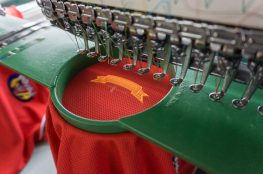
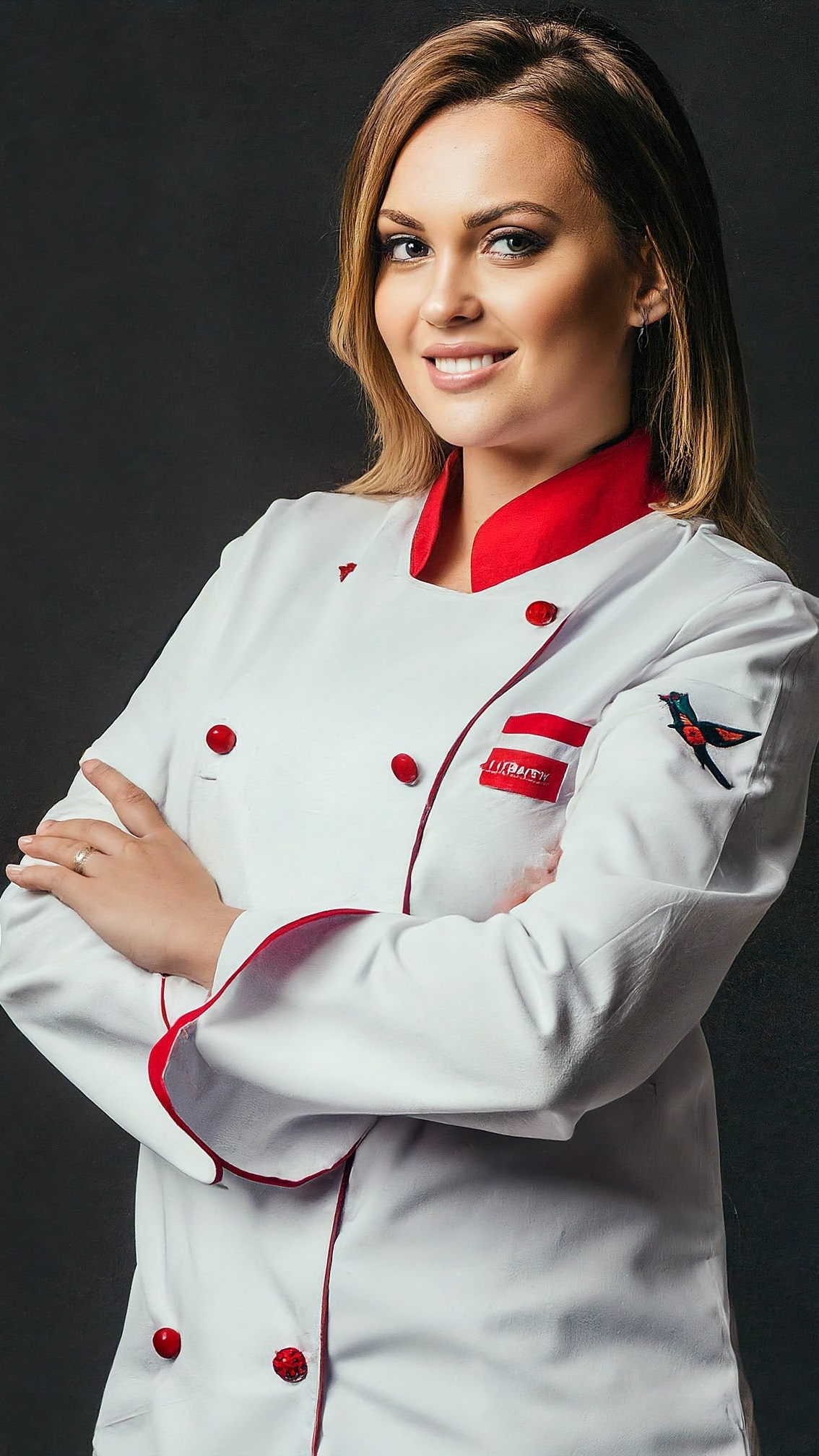
Quality embroidery will significantly enhance look of hotels, restaurants other hospitality businesses. It gives a professional and elegant touch to various items, providing a cohesive brand image and improving the customer experience. With thoughtful design and strategic placement, embroidery can elevate the ambiance and perception of a venue, making it appear more sophisticated and welcoming.
The Benefits of Embroidery in the Hospitality Industry
In the hospitality industry the presentation is important. By using high-quality embroidered items an establishment can show attention to detail, professionalism, and a commitment to quality. Where first impressions are essential, embroidered items can set the tone for a guest’s experience.
Embroidery Offers Several Distinct Benefits
Branding
Embroidered logos and designs can help reinforce brand identity. In hotels, this branding might be applied to uniforms, linens, towels, and robes, subtly reminding guests of the venue’s name and prestige. In restaurants, embroidered logos on staff aprons or napkins can unify the establishment’s theme and create a lasting impression on patrons.
Elegance
Embroidered details are often seen as luxurious. Unlike printed designs, embroidery has texture and depth, which adds to the high-end feel of an establishment. The durability of embroidery ensures that the items retain their elegance over time, withstanding regular use and washing.
Professionalism
Uniforms or linens that feature professional embroidery help present a polished and cohesive image. A well-dressed staff conveys reliability and competence, which can translate into better customer perceptions and higher satisfaction rates.
Items That Can Be Embroidered
A wide range of items in both restaurants and hotels can be customised with embroidery. The following are some of the most common and impactful options:
Uniforms
Uniforms with embroidery look professional and coordinated. This can include shirt front pockets, shirt sleeves, jackets, cooking aprons, and even caps for chefs or parking staff. The workwear embroidery logo or design can provide solidarity and brand visibility.
Linens
Napkins, tablecloths, and placemats that are embroidered add a refined touch to restaurant dining experiences. In hotels, embroidered bedsheets, pillowcases, towels, and bathrobes are an ideal way to convey luxury. These subtle branding efforts offer guests an understated but consistent reminder of the hotel’s identity and attention to detail.
Accessories
Smaller items like bar towels, cleaning cloths, and menu covers can also be embroidered with the business logo or design. Although these items may seem insignificant, they contribute to the overall aesthetic and brand image.
Pillows and Cushions
For hotels, embroidered pillows and cushions in lobbies, lounges, or guest rooms can add an extra layer of sophistication and comfort. Embroidery on these items also enhances the guest’s perception of luxury and care.
Choosing the Right Embroidery Design
Selecting the appropriate embroidery design for a restaurant or hotel is crucial to achieving the desired look and feel. Here are some considerations when designing embroidered items for the hospitality industry:
Keep It Simple and Elegant
Overly complicated designs can detract from the clean, sophisticated look that embroidery typically provides. There are exceptions, but a simple logo, monogram, or stylised name is often the best choice. Consider the silhouette of an appropriate animal, a chef’s hat, a coat of arms, or anything that convey the company image at a glance. Even a cursive signature can work well.
Colour Scheme
Choose thread colours that complement the existing colour scheme of the establishment. The embroidery should blend seamlessly with uniforms, linens, or other materials. Neutral tones like white, black, gold, or silver tend to work well in most hospitality settings and can be adjusted based on the venue’s specific aesthetic.
Font and Lettering
If embroidering text, ensure that the font is clear and legible. Serif fonts tend to have a more classic and formal look, while sans-serif fonts appear modern and sleek. The size of the lettering should be appropriate for the item being embroidered—large enough to be easily read but not so large that it overpowers the rest of the item.
Durability
Since hospitality items are often used frequently and laundered regularly, the embroidery must be durable. Using high-quality threads and stitches ensures that the embroidery remains intact, even after many wash cycles.
Placement
The placement of embroidery is critical to achieving the best visual impact. Logos are typically placed on the chest area of uniforms, the corners of napkins and tablecloths, or the centre of pillows. Consistency in placement helps reinforce the brand identity across multiple items.
How to Implement Embroidery in Your Business
For restaurants and hotels looking to implement embroidery, the process is straightforward:
Choose High-Quality Materials
Whether it’s the fabric for uniforms or the linen for tablecloths, ensure that you’re using high-quality materials that complement the embroidery and withstand frequent use.
Start Small
If you’re unsure about how much embroidery to include, start with smaller items such as napkins or staff aprons. Evaluate customer reactions and adjust your approach as needed.
Consider Branding Opportunities
Think about how the embroidered items fit into your overall branding strategy. Every embroidered item is an opportunity to strengthen your brand and create a cohesive customer experience.
Conclusion for Workwear Embroidery
Investing in some high-quality embroidery for your restaurant or hotel will add class and appeal for the clientele. An embroidered item can last far longer than a printed item. This applies to everything from staff uniforms to embroidery on linen, tableware and merchandising. With thoughtful design choices and strategic placement, embroidery helps create a lasting impression on guests and elevates the ambiance of any establishment.
Information Disclaimer
The content of this article is meant for informational purposes only and should not be considered a source of professional advice, recommendations, or endorsements. It is not a substitute for seeking expert guidance or making well-informed decisions based on individual circumstances. Although we strive for accuracy and reliability, we cannot guarantee the information's completeness or suitability for all situations. Readers are urged to verify facts, consult experts, and consider their own context before taking actions or decisions based on this content. No warranties, explicit or implied, are provided regarding the accuracy, timeliness, or completeness of the presented information. Relying on this information is at the reader's own discretion and risk. We encourage readers to consult relevant professionals or experts for advice tailored to their specific needs. Neither the author, publisher, nor any affiliated parties will be held responsible for errors, omissions, or damages resulting from the use or reliance on the information in this article.